
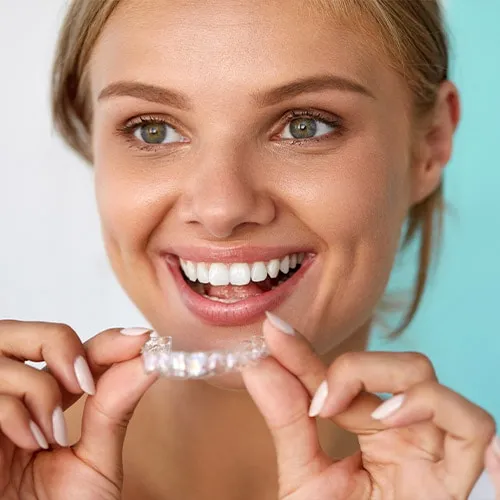
For mild cases, Invisalign typically finishes faster, wrapping up in 6 to 12 months compared to 12 to 18 months with braces. For complex bite problems, braces match or beat aligner timelines. The fastest option depends on your case severity, your compliance, and the recommendation of a board-certified orthodontic specialist.
What Determines How Fast Orthodontic Treatment Works?
When you’re considering orthodontic treatment, one of the first questions that comes to mind is simple: how long will this take? It depends on more than just which appliance you pick. Understanding the key factors helps you set realistic expectations before you begin.
Treatment speed refers to the total time from when your braces are placed or you receive your first aligner trays until the day your appliances come off. For most happy patients, orthodontic treatment ranges from 12 to 24 months. Some mild cases wrap up in as few as six months, while complex situations may require two years or more.
Your biology plays a big role, specifically how quickly your bone remodels in response to pressure. Compliance with instructions matters just as much, especially with removable aligners.
The severity of your case and the type of appliance you choose also shape the timeline. Age is another factor: younger patients whose jaws are still developing sometimes respond to treatment differently than adults.
Neither braces nor Invisalign are universally faster. The right choice depends entirely on your individual situation, which is why a thorough initial visit with a board-certified orthodontic specialist matters so much. At Guidry & Horaist Orthodontics, that first visit gives our team everything we need to map out the most efficient path for your smile.
How Do Braces and Clear Aligners Move Teeth Differently?
The short answer: braces apply constant force in multiple directions at once, while Invisalign uses a series of removable trays making small, incremental shifts every one to two weeks. Each approach has distinct advantages depending on case complexity.
With metal and ceramic braces, an archwire threaded through each bracket puts steady pressure on your teeth around the clock. At each visit, your orthodontic specialist adjusts the wires to direct movement precisely. This constant pressure works whether you’re eating, sleeping, or going about your day. Complex movements, like rotating a stubborn tooth while closing a gap, are where braces really shine.
Invisalign takes a different approach. You wear custom trays and switch to a new set every one to two weeks. They work well, but only if you wear them 20 to 22 hours daily. Take them out too often, and your treatment slows down considerably.
The key difference comes down to control versus convenience. Braces give your orthodontic specialist direct control over complex movements. Aligners give you the flexibility to remove them for eating and brushing, but that flexibility requires discipline.
Benefits of Faster Orthodontic Treatment
Faster orthodontic treatment reduces visits, lowers decay risk, and helps you smile confidently sooner. Here are the key advantages worth considering.
Less time in treatment means fewer hygiene headaches
Prolonged appliance wear can make cleaning difficult, which increases the chance of white spots and cavities developing around brackets or under aligners. Shorter treatment times naturally reduce this risk because your teeth spend less time covered by brackets or trays. You also spend fewer months managing the extra steps of brushing and flossing around orthodontic hardware.
Fewer visits, lower costs, more free time
Fewer visits mean less time away from work, school, or activities you enjoy. When treatment requires fewer visits and materials, costs can be lower as well. You’ll feel more comfortable smiling sooner, and you’ll spend less overall time managing the day-to-day adjustments that come with wearing braces or aligners. Less total discomfort spread across a shorter timeframe is another practical advantage that happy patients appreciate.
Braces vs. Invisalign: Which Is Fastest?
For mild crowding, Invisalign often finishes in 6 to 12 months, while braces take 12 to 18 months. For moderate cases, both take 12 to 18 months. For complex bite problems, braces match or beat aligners at 18 to 24 months. The table below breaks down expected treatment times by case type.
These are general estimates based on typical cases. Your actual timeline will vary based on your specific needs and compliance.
| Case Complexity | Invisalign | Metal Braces |
|---|---|---|
| Mild crowding or spacing | 6–12 months | 12–18 months |
| Moderate alignment issues | 12–18 months | 12–18 months |
| Complex bite problems | 18–24+ months | 18–24 months |
| Cases requiring extractions | Often not recommended | 18–24 months |
Mild cases
Mild cases often finish faster with Invisalign. (For a closer look, see how long Invisalign takes for mild crowding.) Simple spacing issues or minor crowding can be addressed with limited aligner treatment in as few as six months. Braces work well too, but the setup and removal process adds time that aligners avoid.
Moderate cases
Moderate cases are where braces and aligners perform similarly. Both methods handle these situations effectively, and the timeline often comes down to patient compliance more than appliance type.
Complex cases
Complex cases favor braces. Severe bite issues, significant rotation, or cases requiring tooth extraction benefit from the precise control that brackets and wires provide. Aligners have improved dramatically, but some movements remain challenging without fixed appliances. At Guidry & Horaist Orthodontics, our skilled & caring orthodontists evaluate each case individually to recommend the approach that gets you to your goal fastest.
Invisalign for Teens includes compliance indicators built into the aligners. These small blue dots fade with wear, helping parents and orthodontic specialists monitor whether teens are wearing their trays enough. This feature helps maintain treatment speed for younger patients.
Does Faster Orthodontic Treatment Cost More?
Faster orthodontic treatment doesn’t necessarily cost more. Fees are based primarily on case complexity, not duration. A straightforward case that finishes quickly often costs less than a complicated one that takes longer.
Shorter aligner programs, like Invisalign Lite or Invisalign Express, use fewer trays and require fewer visits, which brings the overall cost down. These programs work well for minor corrections or adults experiencing slight relapse after previous orthodontic work.
Insurance coverage generally treats braces and aligners the same way. Most orthodontic benefits cover a lifetime maximum regardless of which method you choose. Your out-of-pocket cost depends more on your specific plan than on whether you pick braces or aligners.
When evaluating your options, ask your orthodontic specialist for a full breakdown of costs associated with each treatment type. Many practices, including Guidry & Horaist Orthodontics, offer a complimentary consult and low monthly payment plans that make any treatment timeline manageable. Understanding the total investment upfront, including retainers and follow-up visits, helps you compare options accurately.
Who Is a Candidate for the Fastest Treatment Option?
Not everyone qualifies for the quickest treatment path. Your orthodontic specialist evaluates several factors during your visit to recommend the most efficient approach.
Ideal candidates for fast Invisalign treatment:
- Mild to moderate crowding or spacing
- Minor bite adjustments needed
- Adults with slight relapse from previous treatment
- Patients committed to wearing aligners 20+ hours daily
Patients who may get faster results with braces:
- Children and teens still growing
- Complex bite issues requiring precise control
- Cases involving significant tooth rotation or extractions
- Situations where compliance with removable aligners may be a challenge (this comes up more often than you’d think, especially with busy teens)
- Cases where the board-certified orthodontic specialist determines fixed appliances offer a clear speed advantage
During your visit, your orthodontic specialist reviews X-rays, digital scans, and photographs to understand exactly what needs to happen. This assessment identifies the fastest realistic path to your goal. Choosing the wrong treatment type often leads to longer overall treatment, not shorter.
Frequently Asked Questions About Orthodontic Treatment Speed
Is Invisalign faster than braces?
For mild cases involving simple crowding or spacing, Invisalign often finishes faster. For complex cases with significant bite issues, braces complete treatment more quickly. The fastest option depends on your specific situation, which is why an initial evaluation with an orthodontic specialist is so important.
What is the fastest way to achieve a beautiful, healthy smile?
The fastest approach depends on what needs correcting. Invisalign works quickly for mild issues, while braces handle complex cases more efficiently. Your orthodontic specialist can recommend the fastest realistic path after evaluating your teeth and bite, and a complimentary consult is the best first step.
Can I speed up my braces or Invisalign treatment?
Absolutely. The biggest thing? Consistency. Wear aligners the full 20 to 22 hours daily, keep all scheduled visits, maintain excellent oral hygiene, and follow your orthodontic specialist’s instructions carefully. With braces, avoiding hard or sticky foods prevents broken brackets that delay progress. Staying consistent with these habits is the single biggest thing you can do to keep your personalized treatment plan on track.
How long does Invisalign take for adults?
Most adults finish Invisalign in about 12 to 18 months for moderate alignment issues. Mild cases could wrap up in under a year. Adults with minor relapse from previous treatment often qualify for shorter programs like Invisalign Lite, which can finish in six months or less.
Where can I find out which option is fastest for me?
If you’re curious which treatment would be fastest for you, a complimentary consult at Guidry & Horaist Orthodontics is the best place to start. Our board-certified orthodontic specialists will review your teeth, your bite, and your goals, then recommend the most efficient path forward.